Immune Cell Therapy
What are immune cells?

Immune cells are your body's defense force
Immune cells patrol the body every day. When they detect abnormal cells, they immediately attack and eliminate them. They do not let cancer cells or cells infected with foreign viruses escape. The reason you have been able to live a healthy life up to this day is because these very tough and very diligent immune cells are constantly fighting inside your body. However, if you live a stressful life or grow older, the number of immune cells will decline rapidly. This decline in immune cells can lead to serious illnesses. Maintaining a strong immune system is the key to maintaining good health.
NK Cell
Among immune cells, NK cells have the highest cytotoxicity against cancer cells.
NK cells are an abbreviation for "Natural Killer Cells."
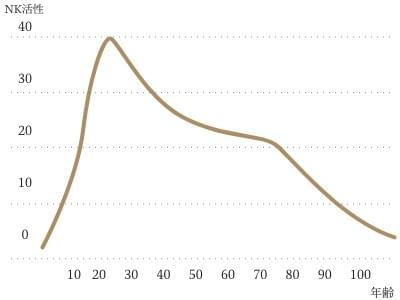
These cells detect and attack abnormalities in the body, but their activity tends to decline with age and stress. This can result in a weakened immune system, which can lead to the development of various diseases.
Immune cell therapy
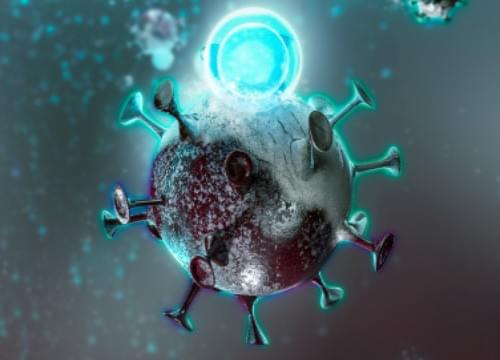
Your blood is collected, and the NK cells within it are expanded and activated through cell culture before being reinfused into your body. As this treatment enhances the immune cells naturally present in the body, the physical burden is extremely low, providing a safe approach for the treatment and prevention of cancer and infectious diseases. Furthermore, a significant advantage of this therapy is its ability to enhance efficacy when used in combination with other treatments for cancer and infectious diseases. By undergoing this cycle regularly, a high level of immunity is established within the body, leading to health promotion and the induction of immune resistance to diseases.
Immune cell therapy is characterized by minimal physical burden and few side effects because it utilizes your own cells. Reports have shown that combining this therapy with other treatments, such as surgery, radiation therapy, and chemotherapy, enhances the overall therapeutic effect.
Prevention of cancer development
It is well known that cancer cells are generated daily within the human body and are subsequently eliminated by the body's own immune system. Natural Killer (NK) cells are recognized as vital immune cells that play a crucial role in preventing the onset of cancer. The cytotoxic activity of these NK cells against cancer cells typically peaks around the age of 20 and declines due to aging and stress.
At our clinic, we expand and activate your own NK cells—which destroy cancer cells and virus-infected cells—and reinfuse them into your body via intravenous (IV) drip. Furthermore, we offer early cancer detection tests and immunological assessments to evaluate the presence of cancer and your overall immune function. This treatment is expected to reduce the risk of cancer development.
Prevention of cancer recurrence
In cancer treatment, once the cancer has been reduced to a size undetectable by diagnostic imaging through therapies such as surgery, radiation, and chemotherapy, the patient enters a follow-up phase. This involves regular examinations to monitor for the emergence of any latent cancer cells. We recommend immune cell therapy during this 'invisible' stage as a proactive measure to prevent cancer recurrence.
The specific immune cell therapy we recommend depends on various factors, including the type of cancer, previous treatments, and whether your own cancer tissue has been cryopreserved. Additionally, high-sensitivity cancer detection tests and immunological assessments can be conducted to evaluate immune function and enable early detection of recurrence.
We believe that undergoing immune cell therapy at this particular timing offers the highest cost-effectiveness. We highly recommend this approach; please feel free to consult with us.
Cancer treatment
At our clinic, we strive to provide the most suitable cancer treatment for each individual patient. Our core approach is low-side-effect cancer therapy, supported by our unique culture technologies for NK cells and other lymphocytes, as well as dendritic cells. We achieve this by combining various methods and collaborating with other medical institutions.Activated Lymphocyte Therapy is a treatment that involves expanding and activating the patient's own immune cells—such as NK cells, γδT cells, αβT cells, and NKT cells—before administering them via intravenous infusion. Metaphorically speaking, these lymphocytes can be described as 'patrol officers' who can crack down on criminals even without a 'wanted poster' (pre-existing antigen information).
Dendritic Cell (DC) Therapy involves 'educating' T-lymphocytes about specific cancer antigens present in the patient's cancer cells. This process induces antigen-specific Cytotoxic T-Lymphocytes (CTLs) that can attack cancer more powerfully. To use an analogy, the dendritic cell acts as a 'Chief of Police' at the investigation headquarters, briefing investigators with 'wanted posters.
'Tumor-Infiltrating Lymphocyte (TIL) Therapy involves collecting CTLs that have entered ascites or pleural effusion in pursuit of cancer cells, reactivating them, and reinfusing them into the body. This can be likened to the 'reactivation of elite investigators' who have already been briefed with the 'wanted posters.'
Depending on the patient's condition, we propose the most effective plan by combining these various therapies.
Prevention of immunosenescence
(Immune system anti-aging)
Extensive research has been conducted globally regarding immunosenescence, ranging from lifestyle improvements—such as aerobic exercise and diets rich in nutrients like Vitamin C and D—to the development of pharmaceuticals aimed at mitigating aging itself. Despite these efforts, a definitive and effective treatment protocol has yet to be fully established.
The immune cell therapy provided at our clinic aims to prevent and improve immunosenescence by bolstering the body's innate natural defense mechanisms.NK cell therapy is a well-documented treatment with numerous clinical cases reported both domestically and internationally.
Applicable across a wide range of conditions
For healthy individuals
Health promotion through the enhancement of self-healing capabilities.
Prevention of cancer and viral infections.
Combination therapy with chemotherapy
Enhancement of therapeutic effects through synergistic actions.
Mitigation of chemotherapy side effects.
Combination therapy with surgery or proton therapy
Prevention of cancer recurrence and metastasis.
Induction of immunity against cancer.
Combination with palliative care
Delaying cancer progression.
Improvement of Quality of Life (QOL) and disease prognosis.
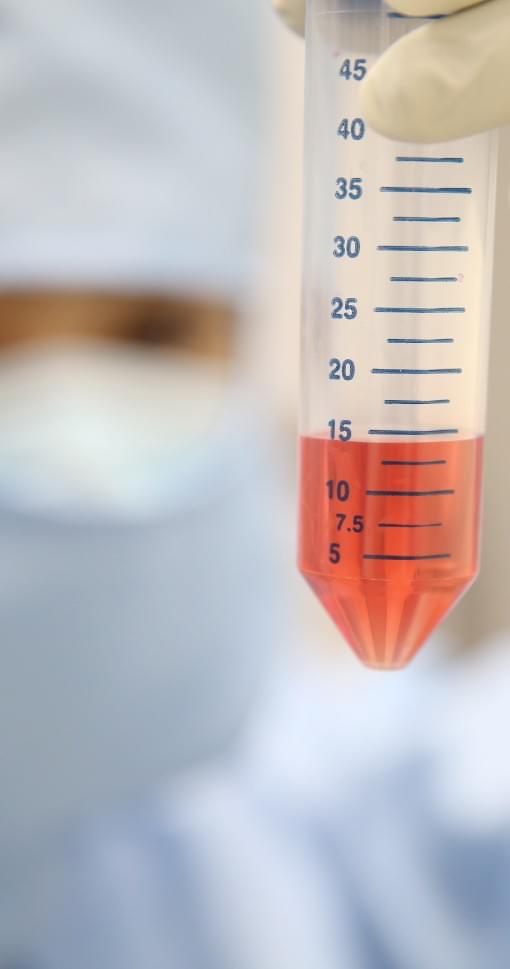
Our clinic offers "Immune Testing" that allows you to understand your immune status at a glance. While monitoring your immune status, you can strive toward an ideal condition through immune cell therapy.
The Procedure of Immune Cell Therapy
1blood withdrawal・Apheresis
50cc Blood Collection: Approximately 50cc of blood will be collected. For the second and subsequent treatments, blood for the next session will be drawn during the NK cell infusion process.
Apheresis (Blood Component Collection): For patients undergoing cancer treatment, we may recommend apheresis depending on the specific circumstances. It is possible to secure enough immune cells for multiple treatment sessions with a single apheresis procedure.
*Note: The number of treatment doses that can be obtained depends on the patient's individual constitution and physical condition.
2Cell cultivation
After blood collection, the patient's immune cells are cultured for approximately 2 to 3 weeks before being reinfused into the body via intravenous (IV) drip or injection. However, the culture period can be adjusted within a range of 2 to 4 weeks, depending on the proliferation rate of the immune cells and the patient's appointment schedule.
3Cell administration
Immune cells are administered to the patient. The procedure is performed by physicians specializing in regenerative medicine under rigorous safety management, following protocols and Act on the Safety of Regenerative Medicine.
Potential risks and side effects include pain at the injection site and, in rare cases, fever and fatigue.
Contact us
Please contact us by email:
n2clinicyotsuyainfo@gmail.com
© 2025 N2 Clinic Yotsuya